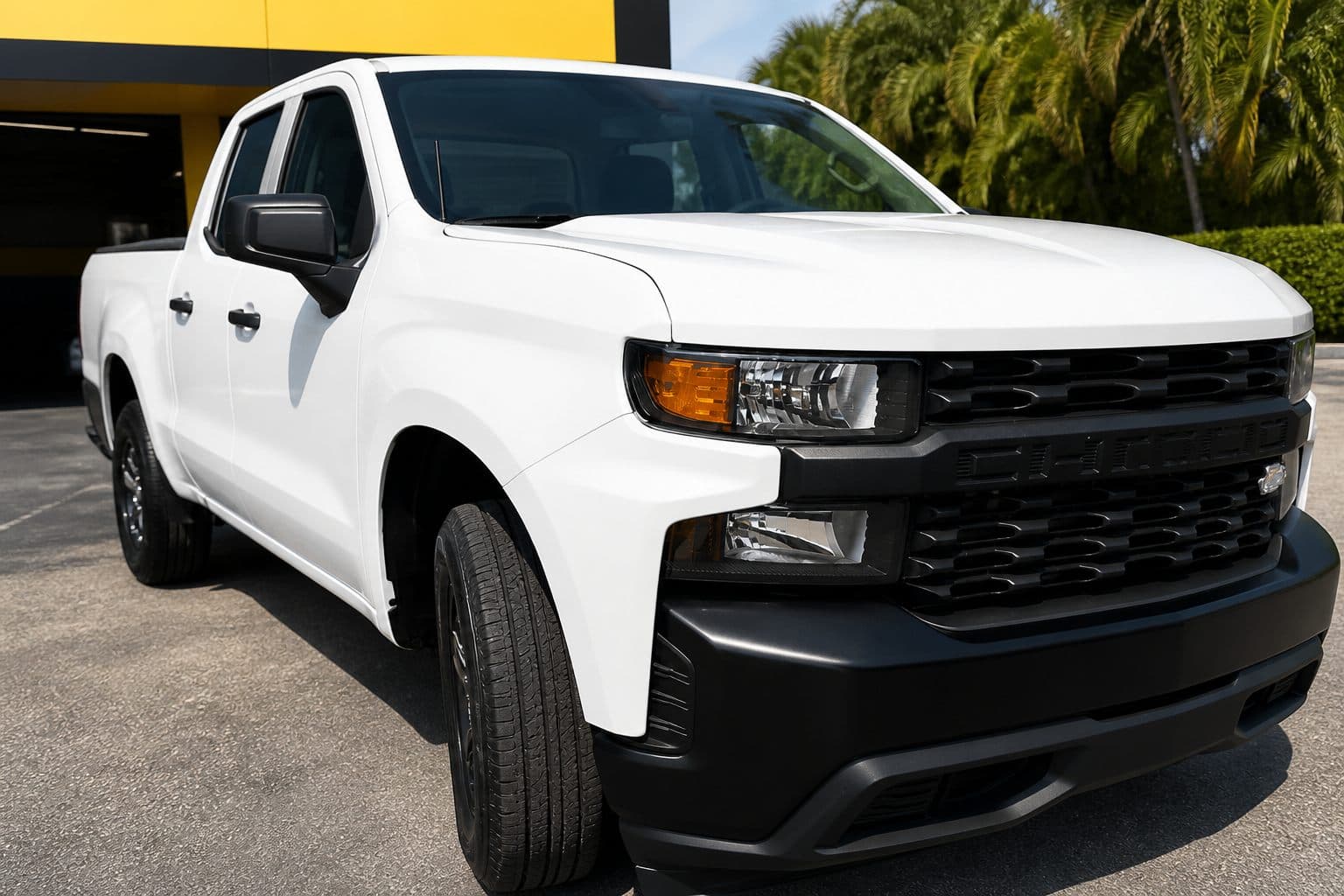
What to confirm before arranging this repair
Start with a clear record of the damage. Send a photo of the whole vehicle, a wider view of the affected side, and close-ups of the damaged area. Include the year, make, and model and explain whether the damage came from one incident or several separate concerns. Show adjoining panels and gaps as well as the most obvious mark so the shop can understand where the problem sits.
Understand the proposed scope
A photo review can help identify the next step, but it cannot reveal everything behind an exterior panel or bumper. Ask which parts of the proposed work are based on visible damage and which details need inspection. A small mark does not always describe the full job, and a large-looking scrape does not by itself establish which parts need repair or replacement.
When comparing estimates, check the areas of the vehicle included and the work described for each area. Body preparation, parts, refinishing, and adjoining-panel work can change the scope. Ask the shop to clarify unfamiliar terms rather than assuming two estimates cover the same operations. Mention earlier repairs if they are relevant to the damaged area.
Plan the visit after the review
Confirm whether the next visit is for assessment or a previously discussed repair drop-off. Tell the team about any timing constraints and ask what can be confirmed at that stage. Parts availability and the work found during assessment can affect scheduling, so a calendar opening is not a promised completion date.
Keep the estimate or appointment confirmation and use the contact details provided by the shop for questions. If an insurer is involved, have the claim reference and any existing estimate available for the conversation. If the vehicle's condition or your plans change, contact the shop before the visit. Clear information at this stage helps the team explain the next step for your particular vehicle.