Prepare for a paint or dent repair assessment
Show both the shape of the damage and the condition of the finish. Include a wider photo of the panel and close-ups taken from different angles, with the adjoining panels visible where possible. Reflections can hide a crease or make a scratch hard to judge, so clear daylight and more than one view are useful. Send the vehicle year, make, and model with a short explanation of the concern.
Separate the concerns you want reviewed
Identify which areas have scratches, chips, dents, peeling finish, or other visible changes. Explain whether they resulted from the same incident and mention previous repairs if you know about them. A request for one damaged panel is different from a request involving several panels or a wider finish concern. Clear priorities make it easier to discuss the scope you are considering.
A photograph is useful for locating damage, but it is not a reliable color sample or a full inspection of the coating. The condition of the surrounding finish, access to the damaged area, panel edges, and earlier work can influence the proposed approach. Avoid assuming that a repair is defined only by the length of a scratch or the diameter of a dent.
Ask what the estimate includes
Check which panels and operations are included in the proposed work. Ask about body preparation, refinishing, and any adjoining-panel work described in the estimate. If two estimates have different prices, compare their written scope before treating them as equivalent. Keep track of any items that still require an in-person assessment rather than assuming an initial photo discussion answers every detail.
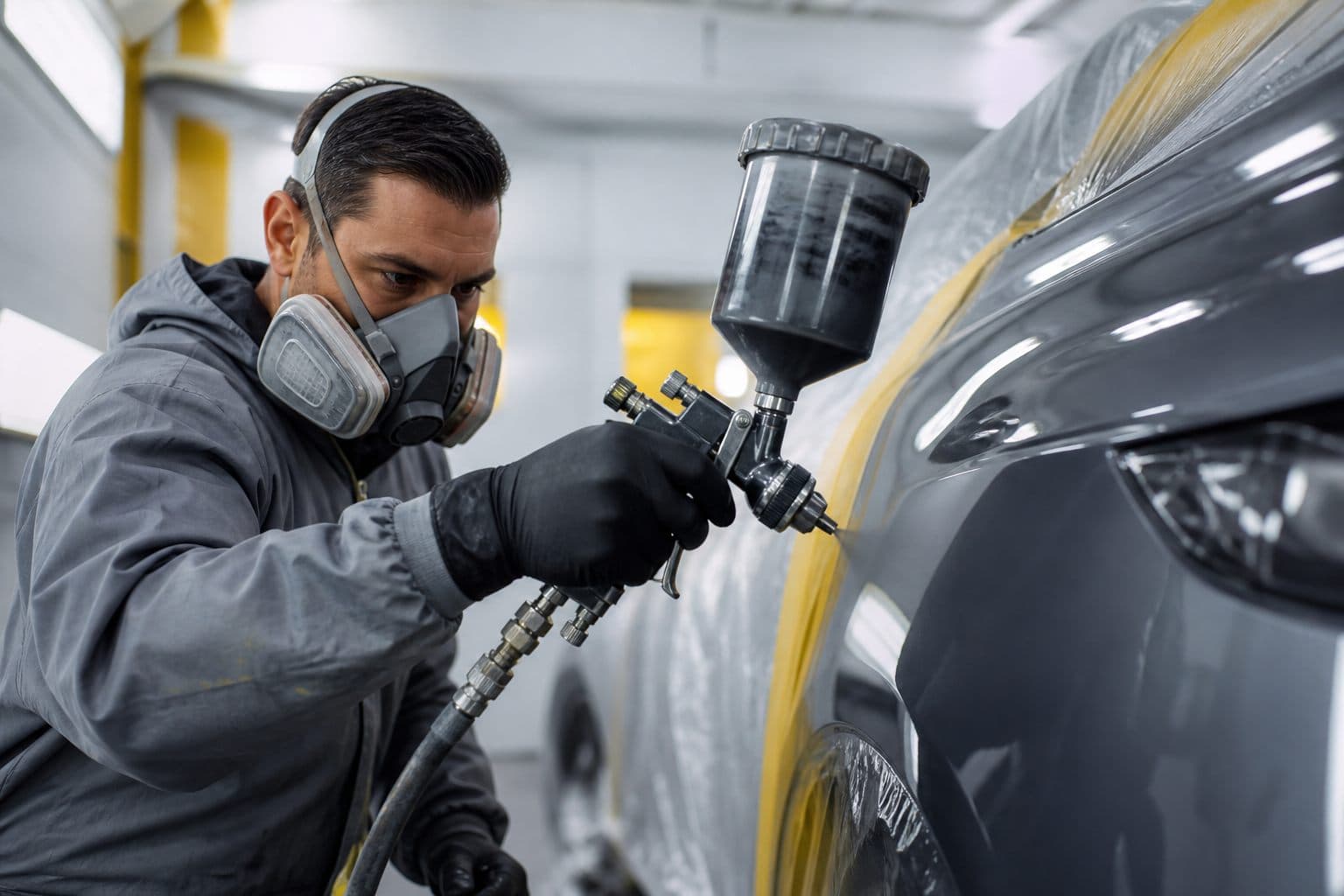
For dent damage, describe cracks or chips in the paint as well as the panel shape. Speedeezz provides conventional body repair and refinishing, and the finish may need attention as part of the repair. If you are unsure whether your concern is cosmetic surface damage or a body-repair job, explain what you see and let the shop discuss the next step.
Confirm timing and the next visit
Tell the team about any date constraints when you discuss the job. The calendar provides repair drop-off times after that discussion; it does not promise when the work will be complete. Preparation, the assessed scope, and the repair schedule need to be considered for the particular vehicle. Ask what information can be confirmed now and what still depends on inspection.
Before leaving the vehicle, keep a copy of the estimate or instructions and prepare the information the shop requested. Let the team know if another area needs review or if the vehicle's condition has changed. Use the confirmed scope and appointment details as the guide for your visit, and contact the shop if anything is unclear.
If several marks need attention, label the photos or describe each area separately. This helps distinguish the repair you want reviewed from earlier damage that is outside your request.