Understanding the Collision Repair Process: From Estimate to Finish


Experiencing a vehicle collision can be stressful, but understanding the collision repair process can make it less daunting. From getting an estimate to driving your car home, each step is crucial to restoring your vehicle to its pre-accident condition.
Getting an Estimate
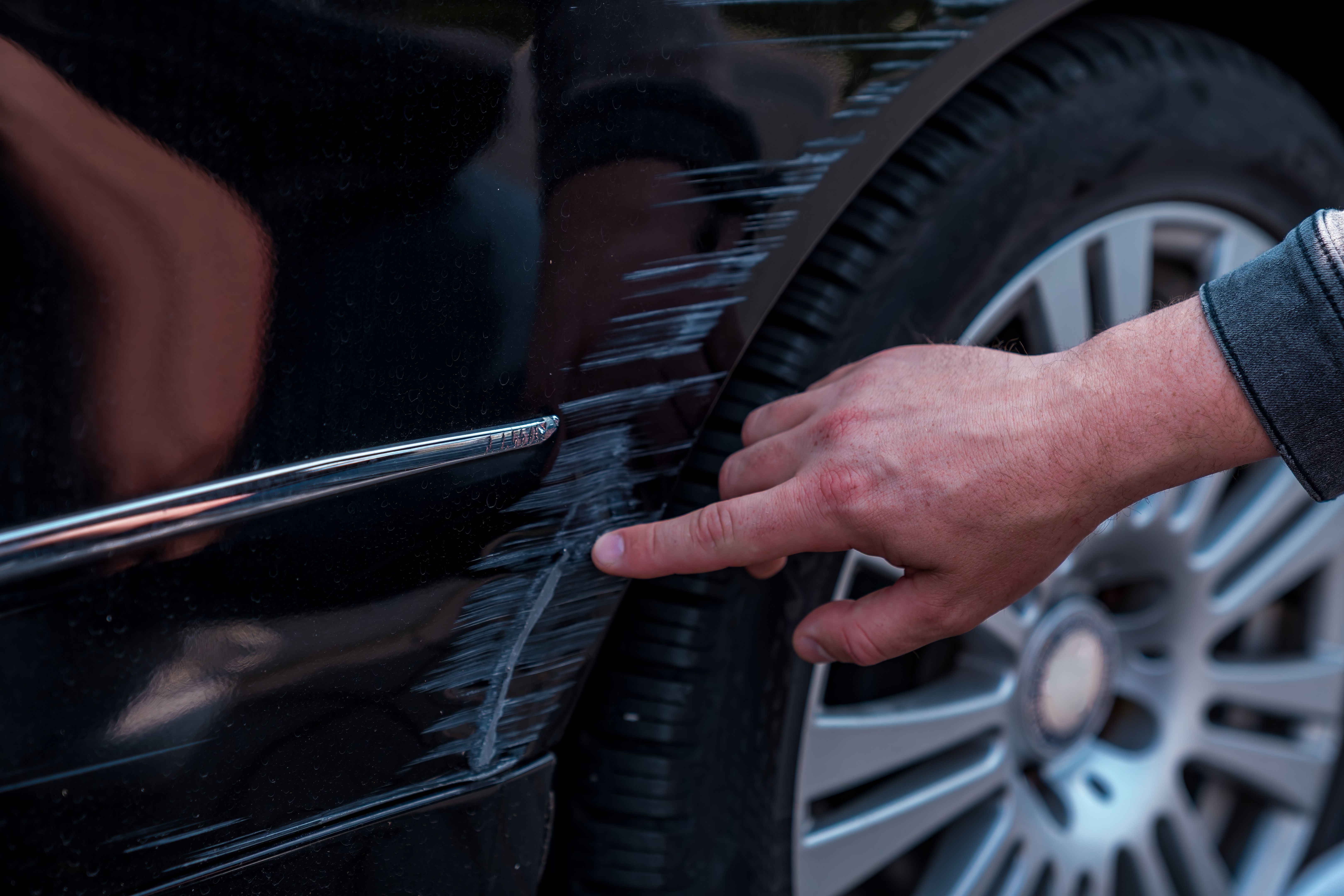
The journey begins with obtaining an estimate. This involves having a professional appraise the damage to your vehicle. Most repair shops offer free estimates, where they will inspect the damage and provide a detailed report of the required repairs and associated costs.
The estimate process may also involve taking photos of the damage and inputting details into a specialized software that calculates repair costs. It's essential to get estimates from several shops to compare pricing and services.
Insurance Approval
Once you have an estimate, the next step is to get approval from your insurance company. They will review the estimate to ensure the proposed repairs are covered under your policy. This approval process can take some time, so it's important to stay in touch with your insurance representative.
In some cases, the insurance company might send an adjuster to inspect the damage themselves. Cooperation between the repair shop and the insurance company can expedite the approval process.
Repair Process
With approval in hand, the repair process can begin. This phase can vary greatly depending on the extent of the damage. Minor repairs might take a day or two, while more extensive damage can require weeks of work.
The repair process typically involves several steps:
- Disassembly: The damaged parts are removed to assess hidden damage.
- Structural Repair: If the vehicle's structure is compromised, it is restored to factory specifications.
- Body Repair: Dents and damages to the body are repaired, often involving welding or replacing panels.
- Paint: A fresh coat of paint is applied to match the original color.
- Reassembly: The vehicle is put back together, and all systems are tested.
Quality Control and Final Inspection
Before the vehicle is returned to you, it undergoes a thorough quality control process. This ensures that all repairs meet safety and quality standards. Technicians will inspect the work and perform a test drive to guarantee everything functions correctly.
Any necessary adjustments are made during this phase to ensure the vehicle is completely restored. This step is vital for your safety and satisfaction.
Vehicle Pickup
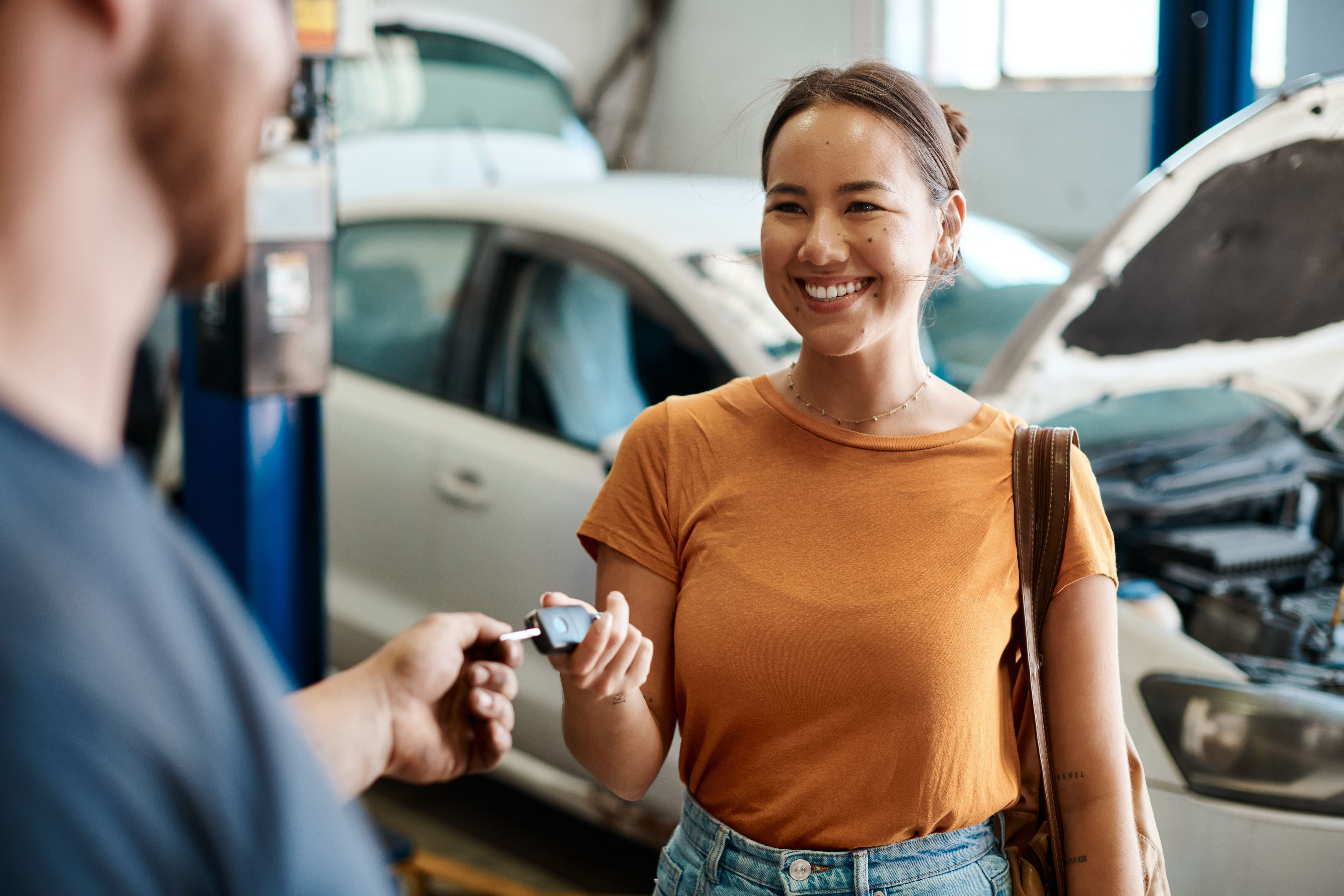
Once the repairs are completed and the final inspection is passed, you will be notified that your vehicle is ready for pickup. During pickup, a representative will walk you through the repairs and answer any questions you might have.
Understanding the collision repair process can alleviate stress and help you feel more in control after an accident. By knowing what to expect from estimate to finish, you can ensure your vehicle is in good hands and will be safely back on the road in no time.