Understanding the Auto Body Repair Process: A Step-by-Step Guide


Introduction to Auto Body Repair
When your vehicle sustains damage, navigating the auto body repair process can feel overwhelming. Understanding each step can help ease your mind and ensure you know what to expect. This guide will walk you through the process, from assessment to finishing touches, so you can confidently manage your vehicle's repair.
Auto body repair isn't just about aesthetics. It's crucial for maintaining the structural integrity and safety of your vehicle. Whether it's a minor scratch or significant collision damage, each step of the repair process plays a vital role.
Initial Assessment
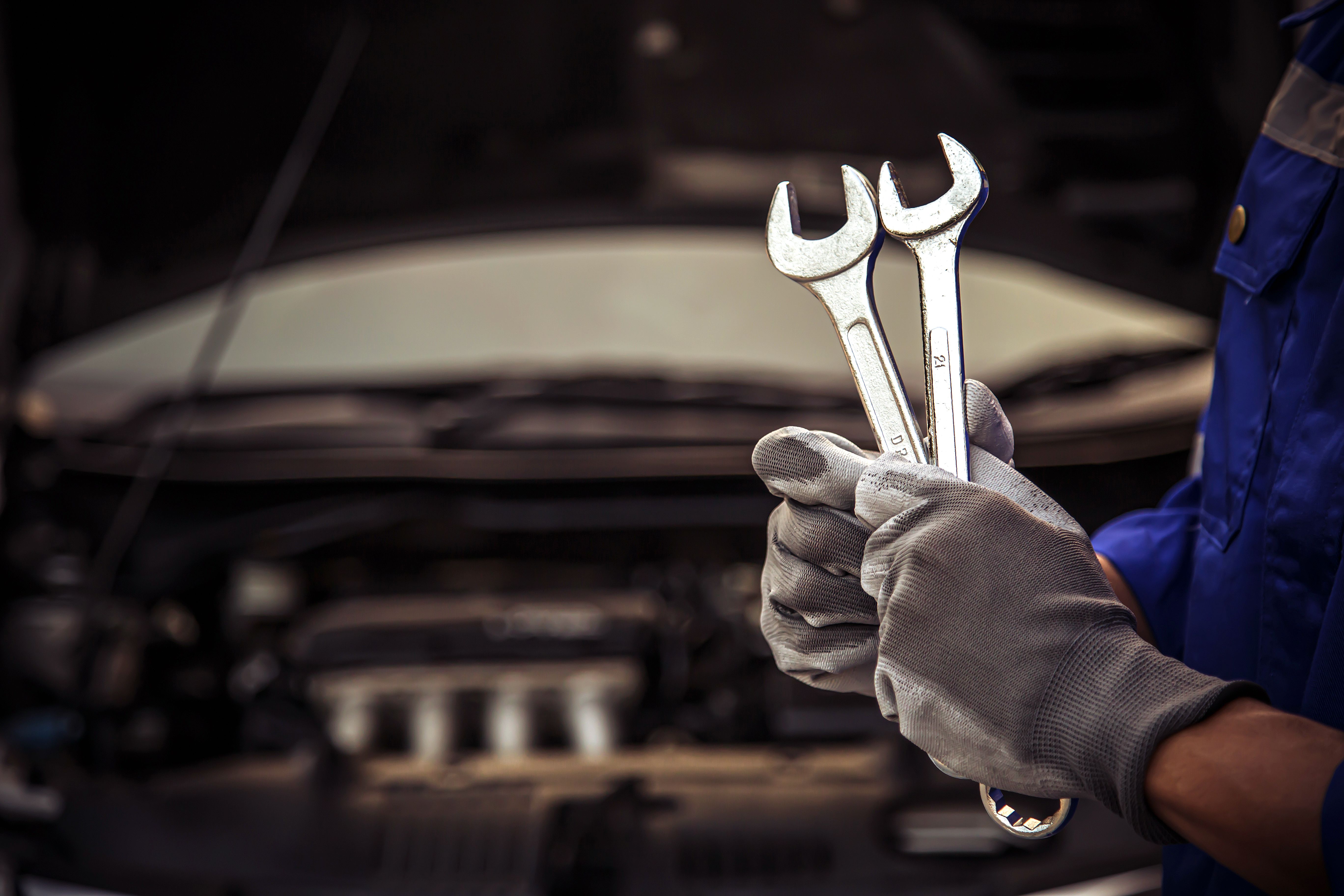
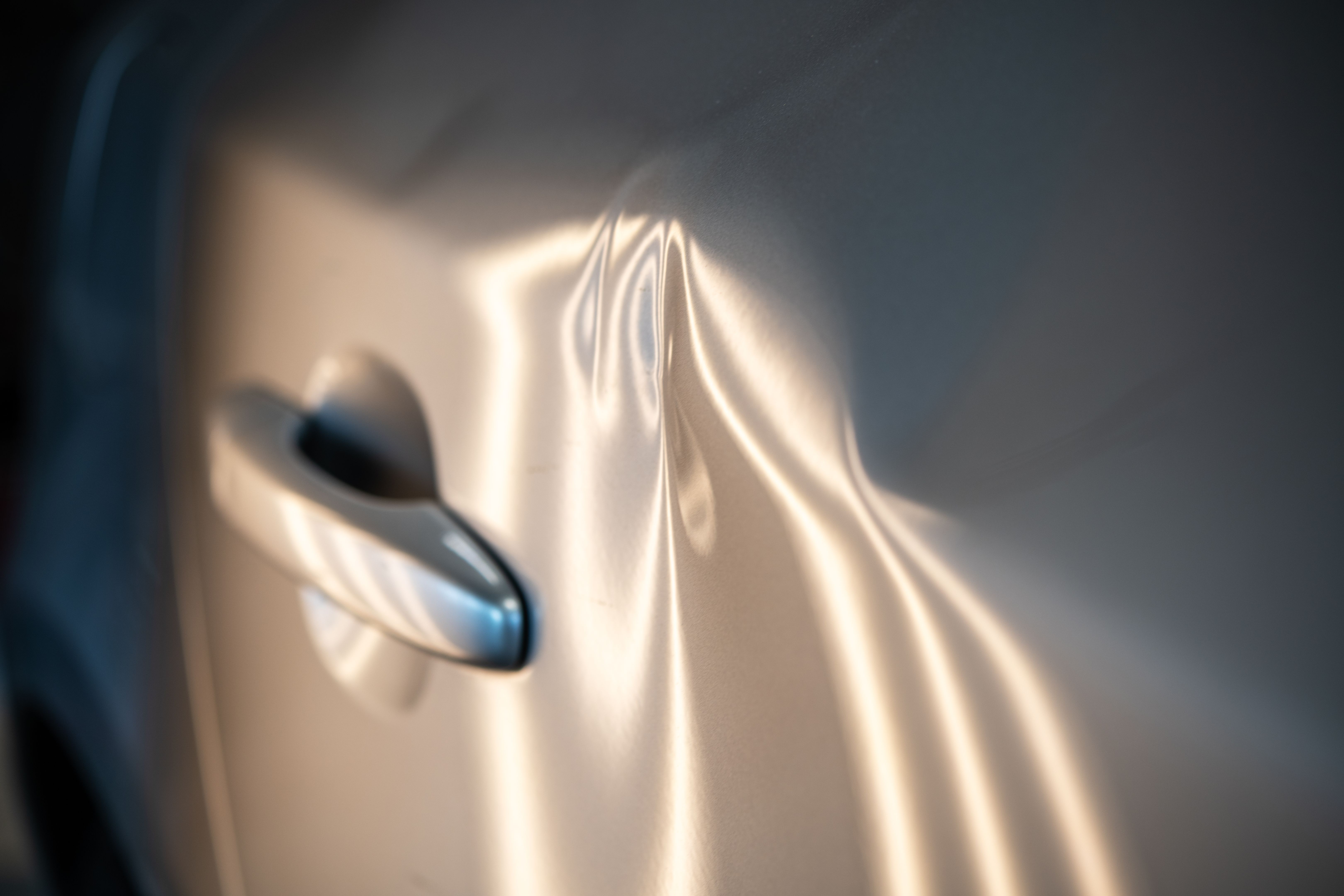
The first step in the auto body repair process is the initial assessment. This involves a detailed inspection of the vehicle to determine the extent of the damage. A technician will look for visible damage and may also check for hidden issues that need addressing.
During this phase, the technician will create a repair plan and estimate the cost. This plan outlines the necessary repairs and provides a timeline for completion. It's essential to review this plan carefully and ask any questions to ensure you understand the scope of work.
Estimate Approval
Once you receive the repair estimate, you'll need to give your approval before any work begins. This is a crucial step, as it ensures you are aware of the potential costs involved. Some insurance companies may require additional documentation, so be sure to check with your provider.
After approval, the repair shop can order any necessary parts and begin scheduling the work. Keep in mind that parts availability can affect the timeline, especially for older or rare vehicles.
The Repair Process
With the estimate approved and parts in hand, the repair process can begin. This typically involves several stages:
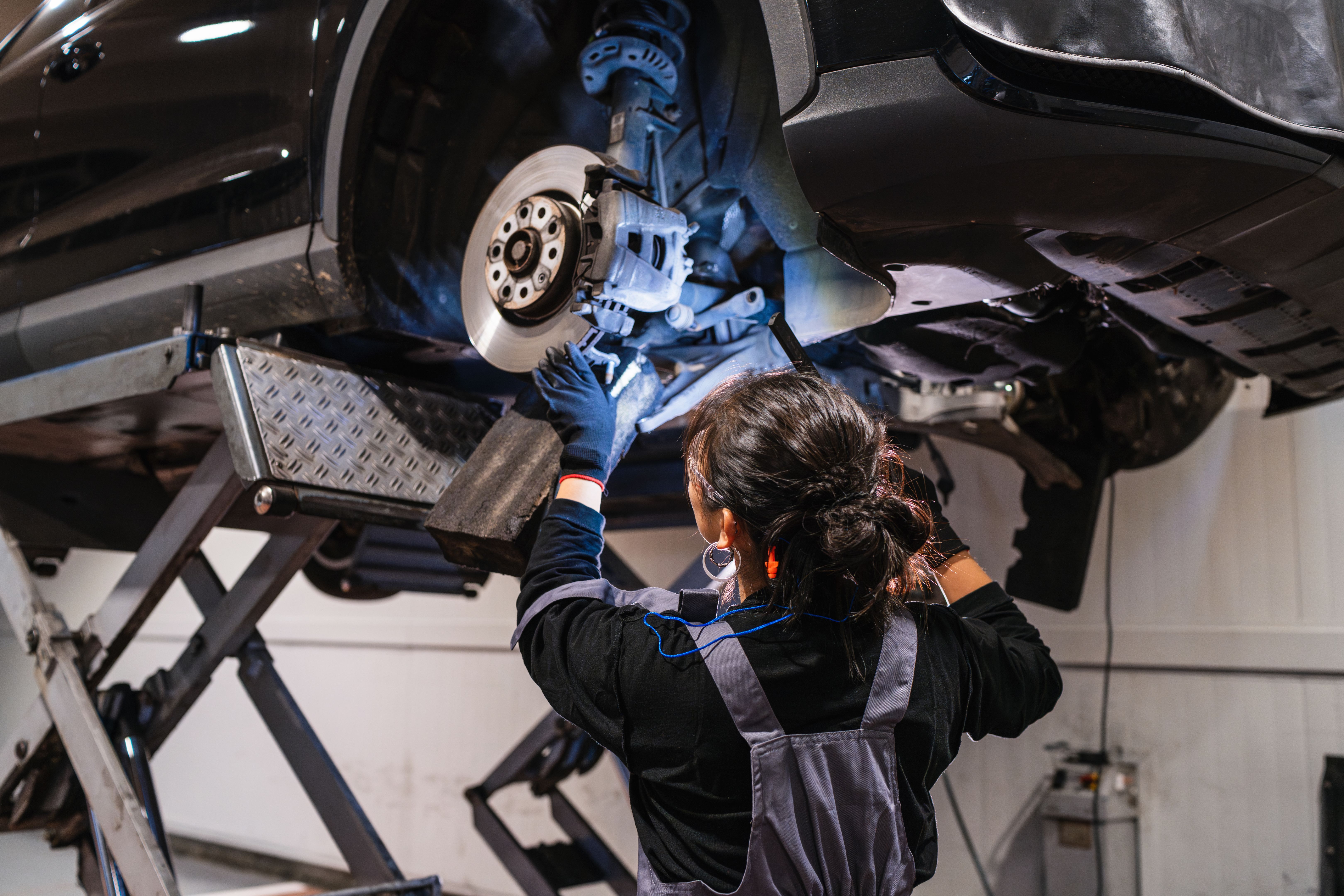
- Disassembly: The damaged areas are carefully disassembled to assess any underlying issues.
- Repair and Replacement: Damaged parts are repaired or replaced, ensuring the vehicle's structural integrity is restored.
- Frame Alignment: If necessary, specialized equipment is used to realign the vehicle's frame to manufacturer specifications.
Painting and Refinishing
Once the structural repairs are complete, the next step is painting and refinishing. This involves matching the vehicle's original color and applying a new coat of paint. Technicians use advanced techniques to ensure a smooth, flawless finish.
This step is crucial for both aesthetics and protection. The paint acts as a barrier against environmental elements, helping to prevent rust and corrosion.
Final Inspection and Quality Control
The last stage of the auto body repair process is a thorough inspection. Technicians will check for quality and ensure that all repairs meet industry standards. Any necessary adjustments are made during this phase to guarantee customer satisfaction.
Once the final inspection is complete, the vehicle is cleaned and prepared for return. You will be informed when your vehicle is ready, and you can inspect the repairs before taking it home.
Conclusion
Understanding the auto body repair process can help you feel more confident and informed when dealing with vehicle damage. Each step is designed to restore your vehicle to its original condition, ensuring safety and longevity.
By knowing what to expect, you can communicate effectively with repair shops and make informed decisions about your vehicle's care. Whether you're dealing with a small dent or extensive collision damage, being prepared can make all the difference.