DIY Auto Body Repair: When to Do It Yourself and When to Call the Pros


Understanding DIY Auto Body Repair
DIY auto body repair can be a rewarding and cost-effective way to maintain your vehicle. For many car enthusiasts, fixing minor dents and scratches is a satisfying weekend project. However, it's essential to know your limits and recognize when it's time to call in the professionals. This blog will guide you through the decision-making process.
Assessing the Damage
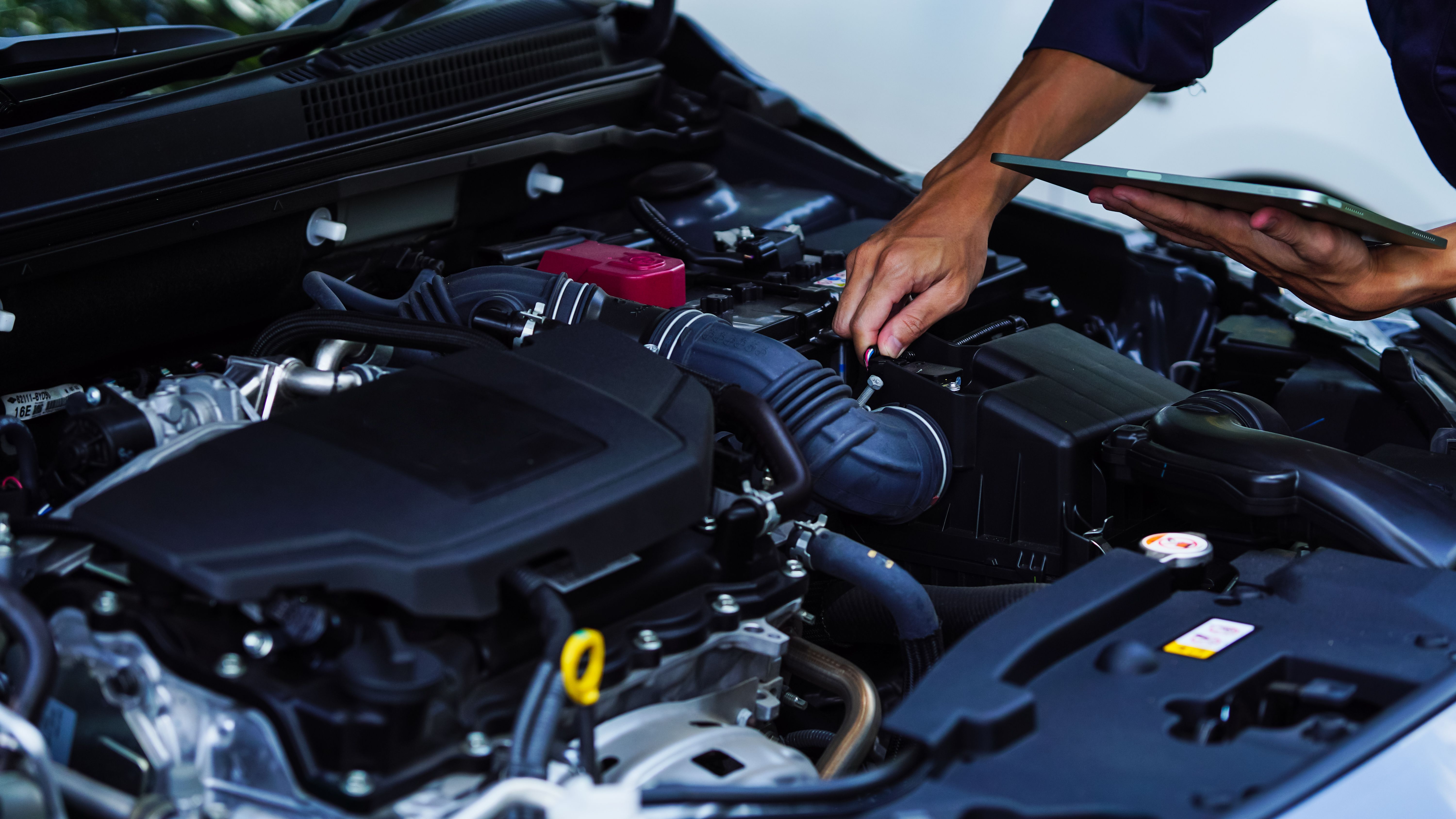
The first step in determining whether to tackle a repair yourself is to assess the damage. Minor scratches, small dents, and paint chips are usually manageable for a DIY project. You can often find repair kits at your local auto parts store that include everything you need for these small fixes.
However, more severe damage such as large dents, structural issues, or extensive rust may require professional attention. Attempting to fix significant damage without the proper tools and expertise can lead to further complications.
Required Tools and Skills
Before diving into a DIY repair, ensure you have the necessary tools and skills. Common tools include sandpaper, paint, primer, and a buffer. You'll also need a good understanding of the repair process, which can often be found in detailed online tutorials or manuals.
If you're not confident in your ability to complete the repair, it might be best to consult with a professional. A poorly executed repair can decrease your car's value and lead to additional costs down the line.
When to Call the Professionals
There are specific scenarios where calling a professional is the best course of action. For instance, if the damage affects the car's structural integrity, such as frame damage, professional intervention is crucial. Safety should always be a top priority.
Additionally, if the repair involves complex paintwork or color matching, a professional's expertise can ensure a seamless finish. This is especially important for newer cars with specialized paint jobs.
Cost Considerations
While DIY repairs can save money, they might not always be the most cost-effective solution. Consider the cost of materials, tools, and your time. Sometimes, professional services might offer a better value, especially for complex repairs.
Requesting quotes from multiple repair shops can help you find the best price and service quality. Don't hesitate to ask for references or check online reviews to ensure you're choosing a reputable provider.
Final Thoughts
DIY auto body repair can be a great way to learn new skills and save money. However, it's essential to know when to seek professional help. By assessing the damage, understanding your skills, and considering the costs, you can make an informed decision that ensures your vehicle looks its best.
Remember, your car is an investment. Taking the time to evaluate each repair situation carefully will help you maintain its value and appearance over the long term.