DIY Auto Body Repair: What You Can Handle and When to Call the Pros


Understanding DIY Auto Body Repair
Tackling auto body repair yourself can be a rewarding experience, saving you money and giving you the satisfaction of fixing your vehicle. However, it's crucial to know your limits and recognize when a task is best left to the professionals. In this blog post, we'll explore what you can handle on your own and when it's wise to call in expert help.
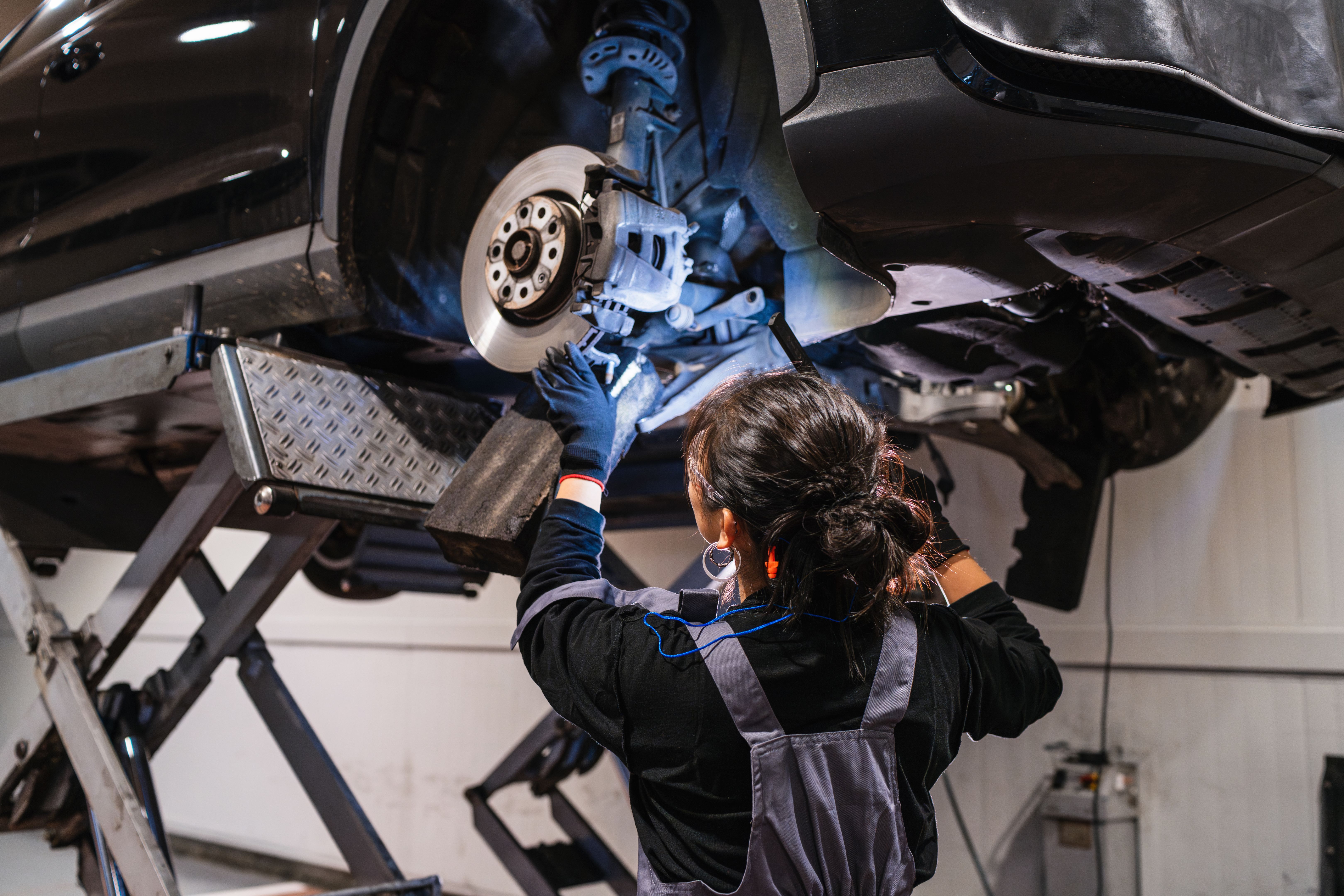
Minor Scratches and Dents
One of the most common DIY repairs is fixing minor scratches and dents. With the right tools and products, you can easily restore your car's appearance. Start by washing the affected area, then use a scratch removal kit or dent puller. Follow the instructions carefully to achieve the best results.
While small dents and scratches are manageable, deeper damages might require professional touch-ups. If the paint is chipped or if there's rust, it might be time to consult a professional to prevent further damage.
Replacing Parts
Replacing simple parts like side mirrors or headlights is another task you can handle on your own. Typically, these replacements involve unscrewing the old part and securing the new one in place. Always refer to your vehicle's manual and ensure you have the correct replacement parts.
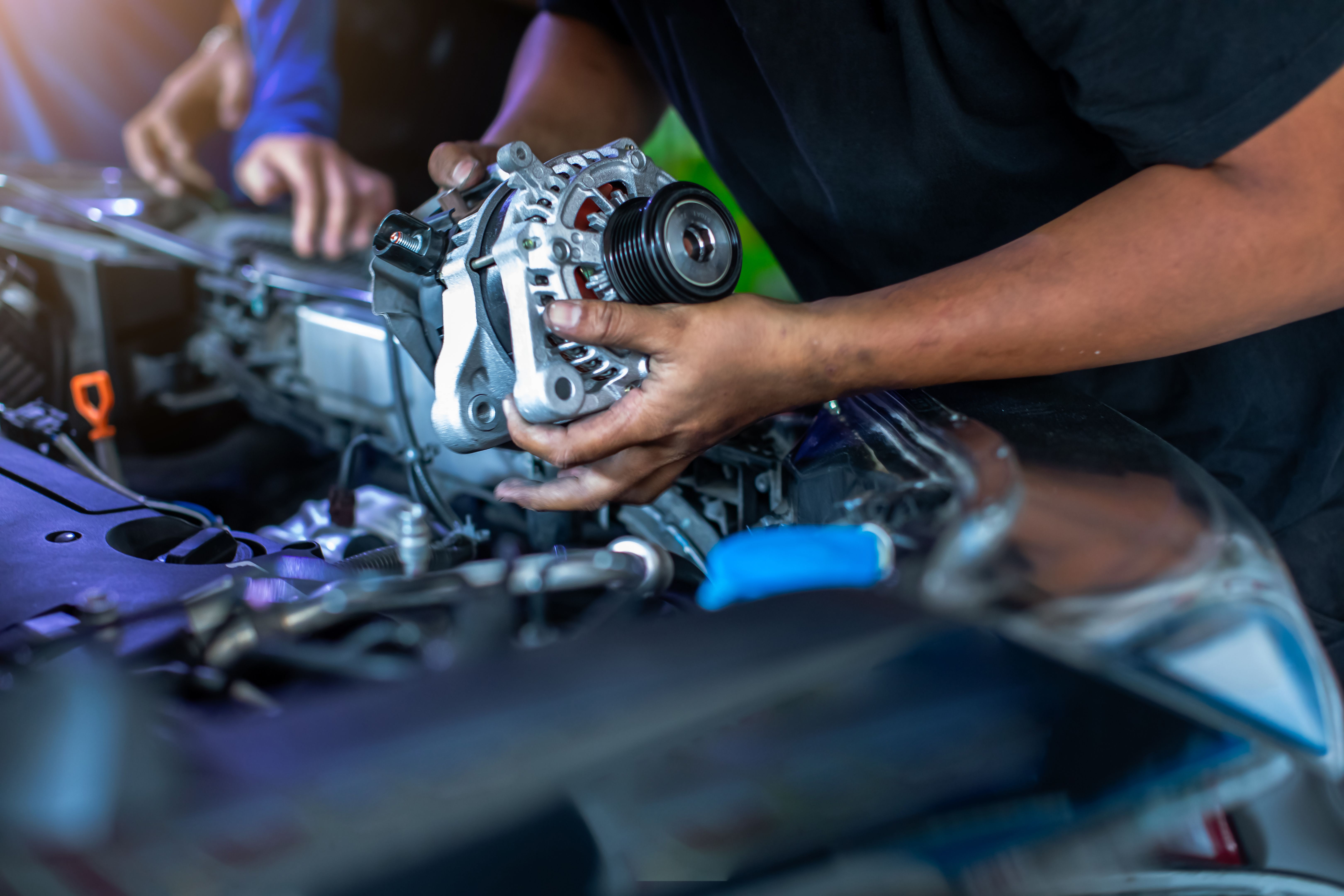
However, for more complex replacements involving airbags or intricate electrical components, it’s safer to rely on professional expertise. Incorrect installation can lead to serious safety hazards.
When to Call the Professionals
Knowing when to call a professional is just as important as understanding what you can do yourself. Here are some scenarios where expert intervention is recommended:
Structural Damage
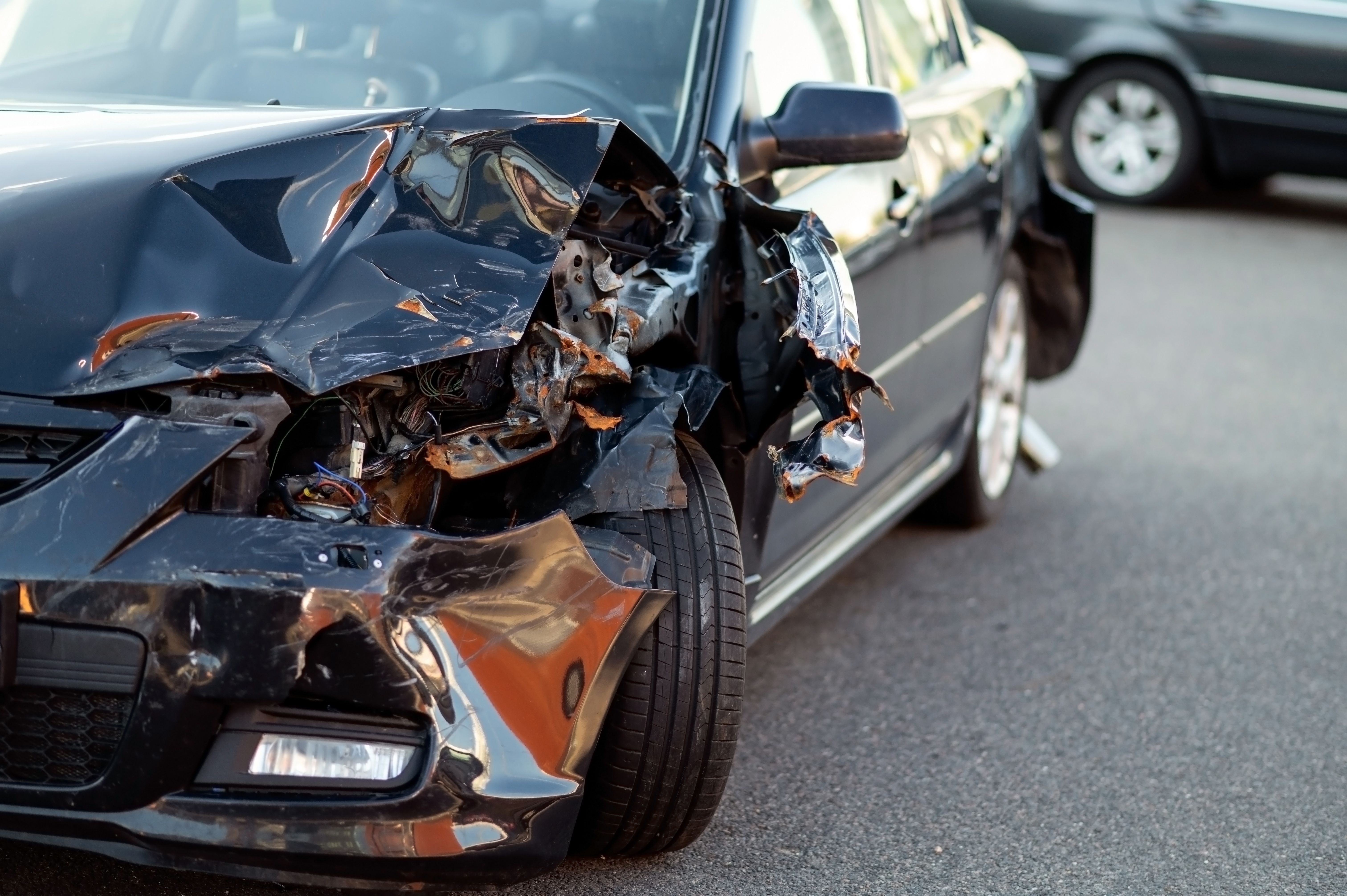
Structural damage, such as a bent frame or significant collision damage, requires professional attention. Attempting to fix these issues without proper tools and expertise can compromise your vehicle's safety and performance.
Advanced Paint Jobs
While minor touch-ups are manageable, advanced paint jobs demand professional equipment and skills. Professionals have access to quality paints and can ensure a seamless match with your car's existing color.
Moreover, proper paint application involves multiple steps, including sanding, priming, and clear coating, which are best undertaken by trained technicians to avoid costly mistakes.
Conclusion
DIY auto body repair can be an empowering and cost-effective solution for minor issues. However, understanding your limits and knowing when to seek professional help ensures your car remains safe and looks its best. Always weigh the complexity and potential risks before deciding to tackle a repair yourself.